 Business License

Vacuum Metallizing Equipment for Plastic Parts: Complete Turnkey Solutions
In today’s competitive manufacturing environment, vacuum metallizing has become an essential process for enhancing both the appearance and durability of plastic components. Whether for the automotive industry, electronics, home decor, or packaging, vacuum metallizing technology plays a critical role in delivering high-quality metallic finishes on plastic substrates. For factory owners aiming to improve production efficiency and product quality, understanding the entire process—including the UV coating line—is crucial. This blog explores the complete vacuum metallizing process, the advantages of turnkey solutions, and how SIMVACO has successfully delivered advanced systems to factories worldwide.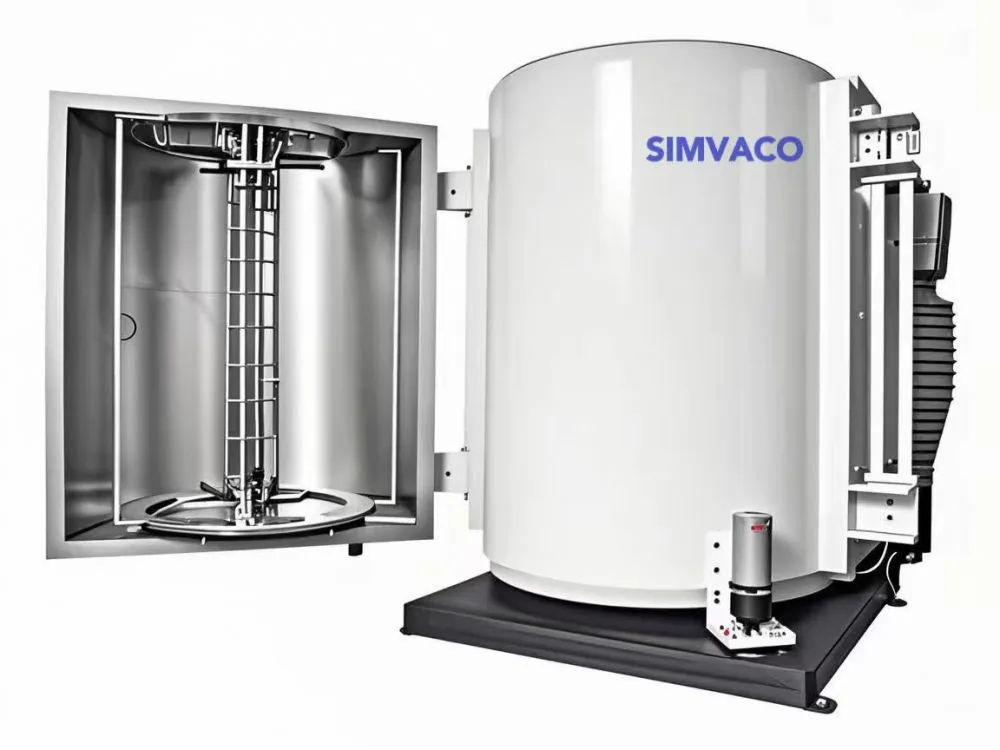
What is Vacuum Metallizing?
Vacuum metallizing is a process in which a thin metal layer—typically aluminum—is deposited onto plastic surfaces in a vacuum chamber. This process not only improves the visual aesthetics of plastic parts but also enhances physical properties, such as durability, corrosion resistance, and surface hardness.
Commonly applied to materials like Polypropylene (PP), Polystyrene (PS), High-Density Polyethylene (HDPE), and Polyethylene Terephthalate (PET), vacuum metallizing allows plastic products to mimic expensive metallic finishes, making them more appealing to consumers while remaining cost-effective.
Complete Vacuum Metallizing Production Line: From Pre-Treatment to Final Coating
A fully optimized vacuum metallizing production line integrates multiple stages, including UV coating lines and metallizing equipment, ensuring high-quality, consistent results. Below is an overview of the process.
1. Pre-Treatment: Preparing the Surface
Before metallizing, plastic parts undergo surface pre-treatment to ensure proper adhesion and a durable metallic layer.
UV Line and Surface Treatment
Corona or Flame Treatment: Increases surface energy, improving metal adhesion. Corona treatment is often preferred for better consistency.
UV Primer Coating: A UV-curable primer is applied to improve adhesion and durability, then cured under UV light to form a uniform base layer.
Static Cleaning: Removes dust and particles, ensuring a smooth, high-quality finish.
UV Coating Line Components
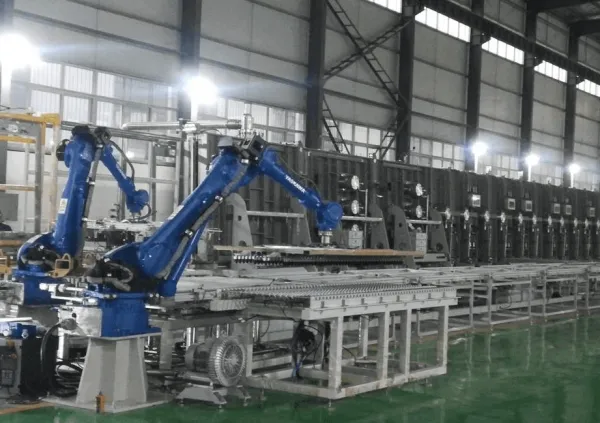
Automated Conveyors: Provide continuous, efficient transport of plastic parts.
UV Primer Spray Guns: Apply uniform primer coatings.
Infrared (IR) Heating: Pre-heats parts for optimized curing.
UV Curing System: Rapidly cures the primer, ensuring maximum adhesion for metallizing.
2. Vacuum Metallizing Process: The Core Operation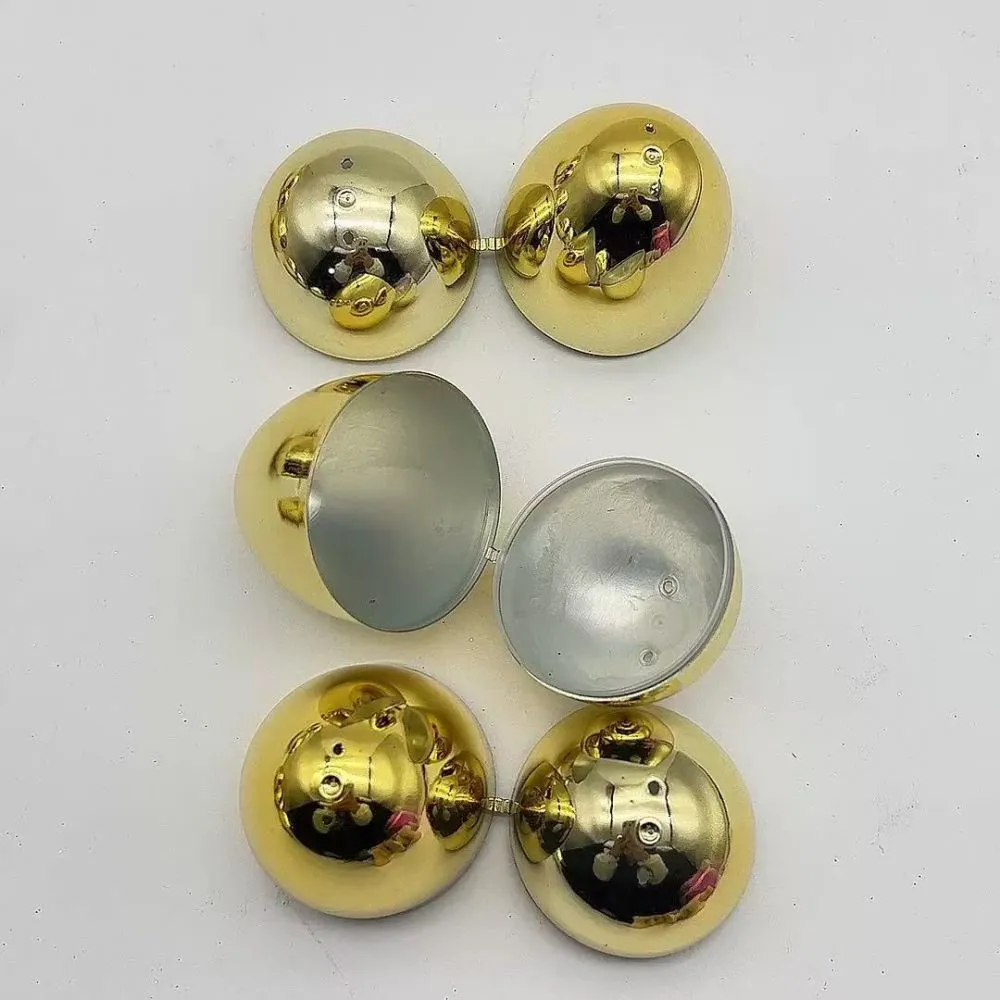
After pre-treatment, parts are transferred to the vacuum metallizing chamber, where metal deposition occurs.
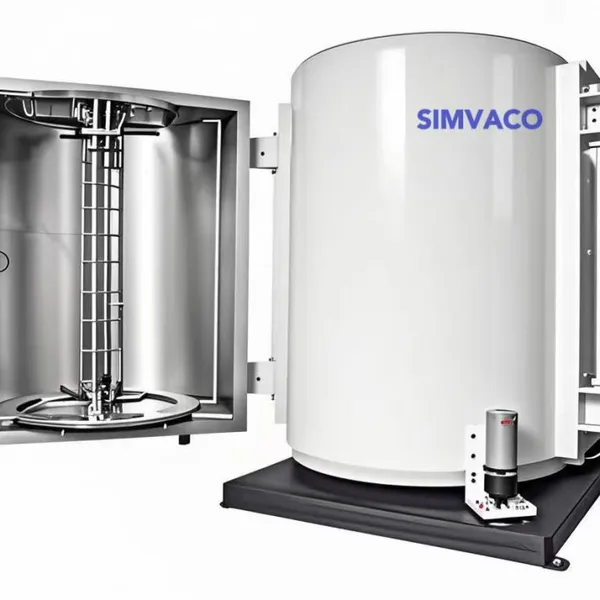
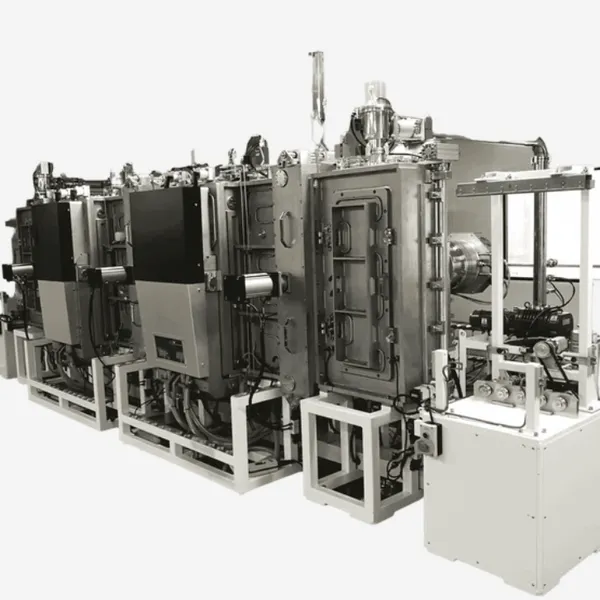
Vacuum Chamber: Maintains a high-vacuum environment to ensure uniform metal condensation.
Metal Vaporization: Aluminum is vaporized via heating, depositing a thin, reflective metallic layer on plastic parts.
Rotary Fixtures: Rotate parts during deposition to guarantee uniform coating on all surfaces.
Advanced Control Systems: Monitor temperature, pressure, and coating thickness for precise, repeatable results.
3. Post-Metallizing Treatments: Enhancing Durability and Appearance
Post-treatment improves the longevity and aesthetics of metallized products.
Clear Coating: Applied to protect the metallic finish from scratches, UV damage, and wear, while enhancing gloss.
UV Curing: The clear coat is UV-cured, creating a tough, long-lasting surface that withstands harsh environments.
Benefits of Vacuum Metallizing for Plastic Parts
Enhanced Aesthetic Appeal: Produces metallic finishes comparable to real metal, ideal for automotive, electronics, and decorative products.
Improved Durability: Metal coating protects against scratches, corrosion, UV degradation, and general wear.
Cost-Effectiveness: Achieves premium aesthetics using plastics rather than expensive metals.
Environmental Sustainability: Dry process with minimal chemical usage and energy consumption.
Customization: Offers metallic shades like gold, silver, chrome, and even rainbow effects for versatile product design.
SIMVACO’s Turnkey Vacuum Metallizing Solutions
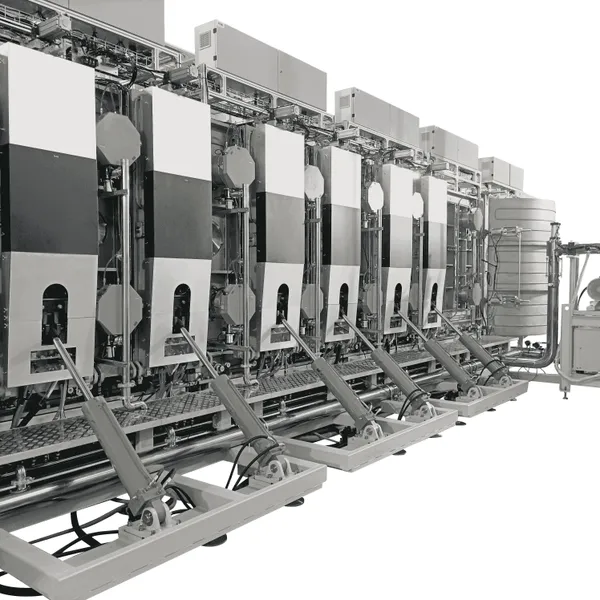
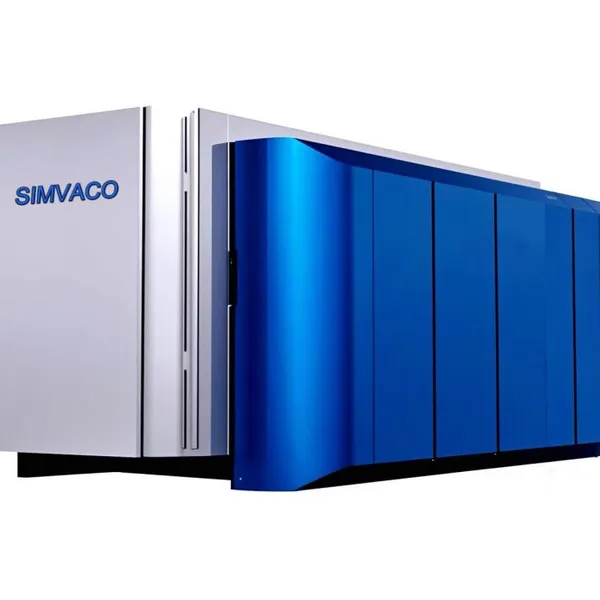
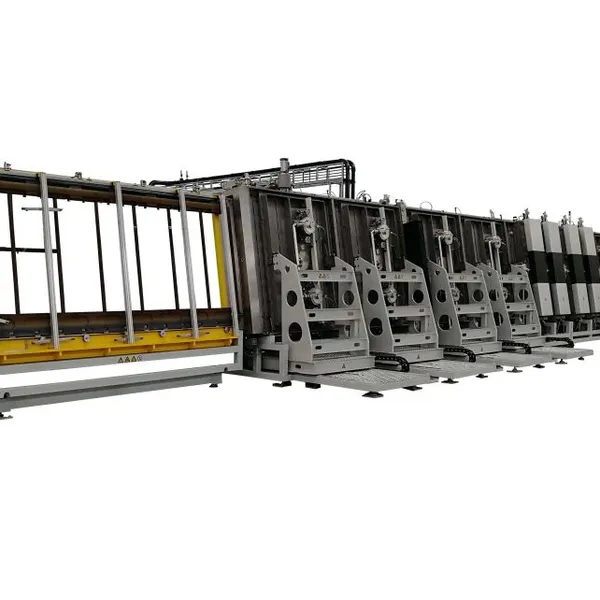
As a leading provider of vacuum metallizing equipment, SIMVACO specializes in turnkey solutions that integrate UV coating lines, vacuum metallizing chambers, and post-treatment systems, helping manufacturers streamline operations and improve product quality.
Global Reach
SIMVACO has delivered advanced vacuum metallizing systems to factories across Europe, Southeast Asia, the Middle East, and Africa, serving industries including automotive, home appliances, consumer electronics, and packaging.
Key Features of SIMVACO’s Turnkey Systems
Complete Integration: From pre-treatment and UV coating to metallizing and post-coating, ensuring seamless production.
High Efficiency: Automated systems reduce human error and increase throughput.
Customization: Tailored to part size, material type, and production requirements.
Sustainability: Energy-efficient systems lower production costs while maintaining high-quality standards.

Conclusion
Vacuum metallizing is a transformative process that enhances both the aesthetics and durability of plastic parts. With SIMVACO’s turnkey solutions, factories can streamline production, improve product quality, and meet the growing demand for cost-effective, high-quality coatings. Our systems are optimized for industries from automotive and electronics to home decor and packaging, ensuring your production line remains competitive in the global market.
Contact SIMVACO Today
For inquiries about UV spray coating and vacuum metallizing systems or customized solutions for your factory:
Website: https://simvaco.com
Email: simon@simvaco.com
WhatsApp: +86-15958205967
Recently Posted
-
What is a Vacuum Metal Deposition?
April 17, 20261. Introduction to Vacuum Metal DepositionVacuum Metal Deposition (VMD), also known as vacuum metallization, is a high-precision t Read More
 -
Flexible Perovskite Solar Cells: Powering the Next-Generation Orbital Energy Systems
April 1, 2026As commercial space enters the era of mega-constellations and orbital infrastructure, energy systems are no longer just auxiliary Read More
 -
What is a Vacuum Coating Machine?
March 31, 2026In modern high-end manufacturing, vacuum coating has become an essential technology across a wide range of industries—from smartph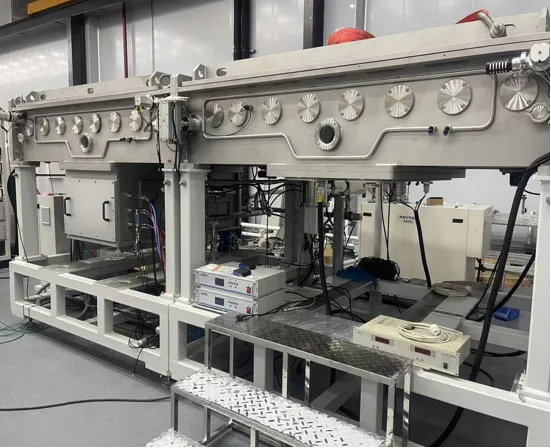 Read More
 -
From Orbit to Grid: Vacuum Coating Technologies Enabling Space-Based Solar Power
March 27, 2026Introduction: From Concept to Engineering RealitySpace-Based Solar Power (SBSP) is not a new concept. However, around 2026, the in Read More

Contact Us
Recommended Products
-
 High-Performance Vacuum Coating Machine for Mirror Manufacturing SIMVACOUS$ 500000MOQ: 1 Unit
 -
SIMVACO Perovskite Solar Cell PVD Magnetron Sputtering Machine Thin Film Deposition SystemUS$ 650000 - 800000MOQ: 1 Set
-
SIMVACO Perovskite Solar Cell PVD Coating Machine Thermal Evaporation Vacuum CoatingUS$ 200000 - 400000MOQ: 1 Set
-
SIMVACO High-Performance Metal Ceramic PVD Coating Machine Hard Vacuum CoatingUS$ 350000 - 500000MOQ: 1 Set
-
SIMVACO Advanced Vacuum Evaporation Coating Equipment for Automotive LightingUS$ 70000 - 1000000MOQ: 1 Set
-
SIMVACO Eco-Friendly Vacuum Evaporation Coating Machine for Plastic Christmas ProductsUS$ 50000 - 60000MOQ: 1 Set
-
SIMVACO Large Glass Anti-Reflection Sputter Deposition Production Line PVD Coating MachineUS$ 1000000 - 1100000MOQ: 1 Set
-
SIMVACO Tool Superhard Coating Ion Plating Machine Enhanced Hard Film Deposition HardwareUS$ 50000 - 110000MOQ: 1 Set
-
SIMVACO Large-Area Multi-Arc Ion Decorative Coating Machine for Metal SurfacesUS$ 1000000 - 1100000MOQ: 1 Set
-
SIMVACO Horizontal PVD Coating Continuous Production Line Metal & Glass Substrate Magnetron SputteringNegotiableMOQ: 1 Set