 Business License

From Orbit to Grid: Vacuum Coating Technologies Enabling Space-Based Solar Power
Introduction: From Concept to Engineering Reality
Space-Based Solar Power (SBSP) is not a new concept. However, around 2026, the industry is entering a critical transition phase—from theoretical feasibility to engineering validation.
Several clear trends are shaping this shift:
The rise of commercial spaceflight is reducing launch costs
Lightweight structures and flexible materials are becoming mainstream
Wireless power transmission (microwave and laser) has achieved early-stage demonstrations
Major aerospace agencies such as NASA, ESA, and JAXA have all revisited SBSP feasibility, focusing on modular architectures, wireless power transmission, and ultra-lightweight materials.
Despite these advancements, a significant gap remains between “technical feasibility” and “large-scale energy deployment.”
The core challenge is no longer whether SBSP can work—but:
👉 How to manufacture it at scale while ensuring efficiency, reliability, and long-term stability.
At the foundation of this challenge lies materials engineering—particularly:
👉 Vacuum coating technologies, including PVD, PECVD, and roll-to-roll (R2R) coating systems.
1. Lightweight Constraints: Flexible Solar Cells and R2R Coating
1.1 Why Conventional Silicon is Not Ideal for SBSP
Traditional crystalline silicon solar panels rely on rigid glass encapsulation, which introduces several limitations:
High weight per unit area
Limited flexibility for deployment
Increased structural complexity
In orbital applications, these factors translate into:
Higher launch costs
More complex deployment mechanisms
Increased system risk
As a result, SBSP systems are shifting toward flexible photovoltaic technologies, such as:
CIGS (Copper Indium Gallium Selenide) thin-film solar cells
Perovskite and tandem structures (still under development)
Lightweight flexible substrates like polyimide (PI)
1.2 Roll-to-Roll (R2R) Coating: The Only Scalable Manufacturing Path
Flexible solar cells are inherently continuous materials, which require a different manufacturing approach compared to traditional batch processes.
Roll-to-roll (R2R) vacuum coating systems enable:
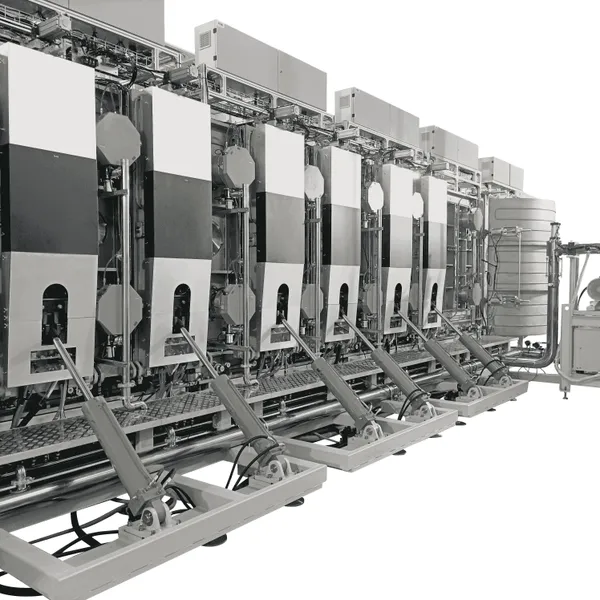
Continuous deposition on long substrates (tens to hundreds of meters)
High-throughput manufacturing
Scalable production
However, the engineering challenges are significant:
Substrate tension control over long distances
Uniform plasma distribution across large areas
Consistency across multilayer thin-film structures
Typical industrial requirements include tight film thickness control within a narrow tolerance range to ensure electrical performance.
1.3 The Role of Magnetron Sputtering
Magnetron sputtering plays a critical role in thin-film solar cell fabrication, including:
Back electrode deposition (e.g., Mo layers in CIGS cells)
Transparent conductive oxides (TCOs such as ITO or AZO)
Functional interface layers
Its advantages include:
Dense and stable film structures
Strong adhesion
Compatibility with R2R systems
It is important to note that achieving long-term uniformity on large flexible substrates remains an engineering challenge rather than a fully standardized solution.
1.4 Industry-to-Space Transition: Where SIMVACO Fits
As a vacuum coating machine manufacturer, SIMVACO’s capabilities are rooted in:
Thin-film solar equipment
Display coating systems
Optical coating technologies
These industries have already developed:
Large-area uniform deposition techniques
Continuous coating processes
Multilayer film engineering
👉 This positions SIMVACO to extend its expertise into space-related applications through technology adaptation rather than reinvention.
2. Energy Transmission Efficiency: The Role of Metallic Thin Films
2.1 Multi-Step Energy Conversion Challenges
SBSP systems involve multiple energy conversion stages:
Solar → Electrical → Microwave/Laser → Ground Reception → Grid
Each stage introduces losses, and high-frequency transmission is particularly sensitive to material properties.
2.2 Engineering Requirements for Metallic Coatings
Metallic thin films used in antennas and transmission systems must provide:
Low electrical resistivity
High surface continuity (minimal defects or cracks)
Strong adhesion under thermal cycling
Common materials include:
Silver (Ag): excellent conductivity but prone to oxidation
Gold (Au): highly stable but more expensive
2.3 Matching Coating Processes to Applications
Different vacuum coating processes serve different purposes:
Vacuum evaporation: suitable for large-area reflective coatings
Magnetron sputtering: ideal for dense functional layers
Ion plating: preferred where strong adhesion is critical
These processes are complementary rather than interchangeable.
2.4 Optical Reflective Coatings
In laser transmission or solar concentration systems:
Aluminum-based coatings are commonly used
Multilayer dielectric coatings can enhance reflectivity in specific wavelength ranges
Actual performance depends on:
👉 Coating design + process control + environmental stability
2.5 SIMVACO’s Practical Capabilities
SIMVACO has established expertise in:
Optical coatings (AR, IR, high-reflectivity films)
Multilayer thin-film deposition
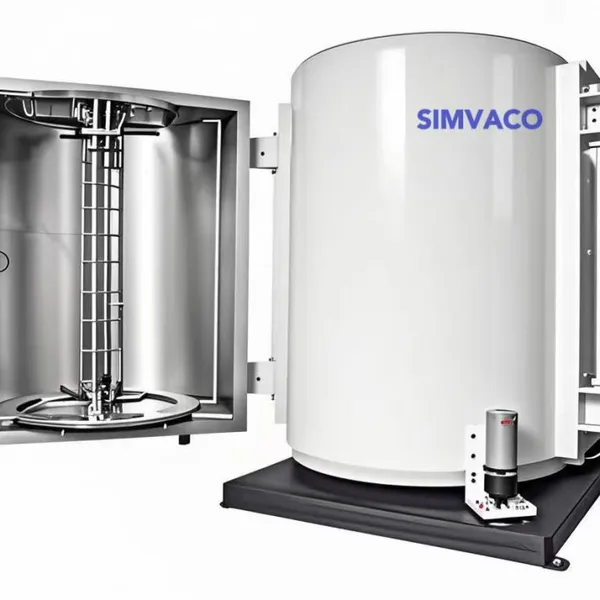
Large vacuum chamber system design
These technologies are already applied in:
Automotive displays
Optical components
Decorative and functional coatings
👉 And can be extended to space energy systems with appropriate adaptation.
3. Environmental Durability: Functional Coatings for Space Conditions
3.1 Atomic Oxygen (AO) Protection
In low Earth orbit (LEO), atomic oxygen can degrade polymer materials, leading to:
Surface erosion
Mechanical degradation
Reduced performance
Typical solutions include:
SiOx or Al₂O₃ coatings deposited via PECVD
Multilayer protective structures
3.2 Thermal Control Coatings
Space systems experience extreme temperature cycles. Thermal coatings are designed to:
Control solar absorptivity (α)
Control thermal emissivity (ε)
The goal is not insulation, but thermal balance.
3.3 DLC Coatings for Mechanical Reliability
Diamond-like carbon (DLC) coatings are used in:
Deployment mechanisms
Bearings and moving components
They provide:
Low friction
High wear resistance
Extended service life
However, large-area applications require careful stress and process control.
3.4 SIMVACO’s Capability in Functional Coatings
SIMVACO offers:
PECVD system development
PVD + DLC hybrid coating solutions
Multi-material deposition capability
These systems support a wide range of applications, including:
Protective coatings
Optical coatings
Functional surface engineering
4. Industrialization Path: Equipment Defines the Limits
4.1 The Real Challenge: Manufacturing, Not Physics
The key bottlenecks in SBSP development are:
Large-area uniformity
Long-term operational stability
Manufacturing yield and cost
These are fundamentally equipment and process engineering challenges.
4.2 Trends in Vacuum Coating Equipment
Industry trends include:
Wider web coating systems (900 mm and beyond)
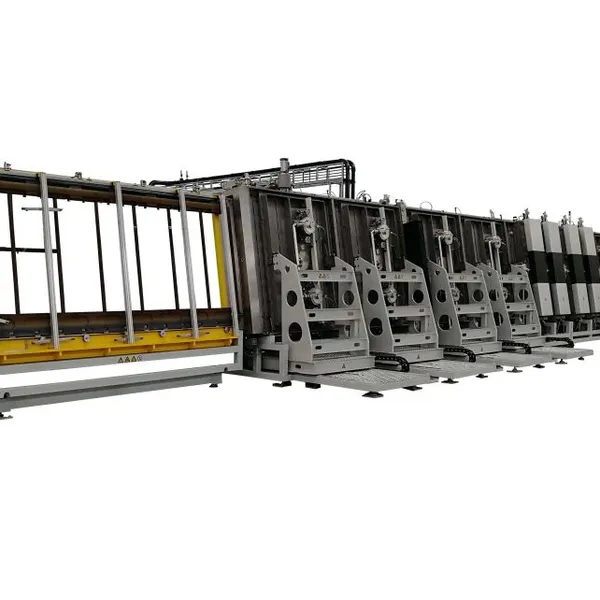
Multi-chamber modular designs
Automation and real-time process monitoring
The goals are:
Improved consistency
Reduced cost per unit area
Higher production yield
4.3 SIMVACO’s Role in the Value Chain
SIMVACO positions itself as:
👉 A provider of scalable vacuum coating equipment and process solutions
Its strengths include:
Industrial manufacturing expertise
Custom system design
Cross-industry technology integration
4.4 Cost Outlook and Industry Reality
At present:
SBSP is still in early-stage development
Levelized cost of electricity (LCOE) remains uncertain
However, it is clear that:
👉 Advancements in vacuum coating technology and manufacturing scale will directly impact system cost and feasibility.
Conclusion: Vacuum Coating as a Foundational Technology
Space-based solar power is not driven by a single breakthrough, but by the integration of multiple technologies.
Within this system, vacuum coating plays a critical role by:
Enabling functional materials
Supporting lightweight structures
Enhancing long-term reliability
It may not be the most visible technology, but it is essential.
For SIMVACO, the opportunity lies in:
👉 Bringing proven industrial coating capabilities into high-performance applications such as space energy systems.
Recently Posted
-
What is a Vacuum Metal Deposition?
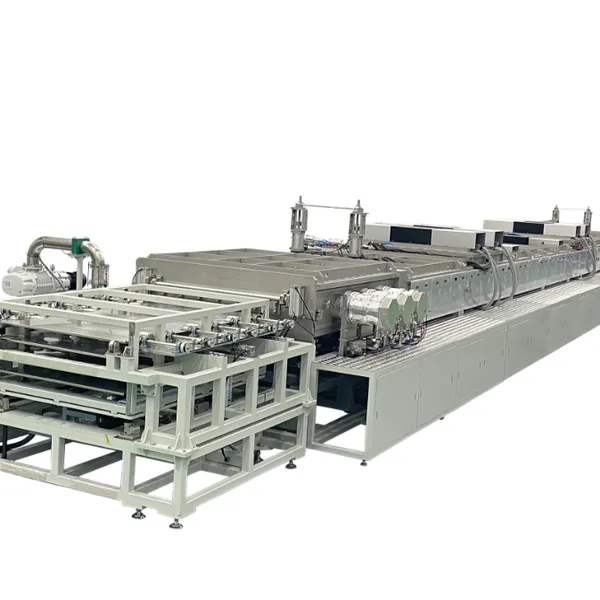
April 17, 20261. Introduction to Vacuum Metal DepositionVacuum Metal Deposition (VMD), also known as vacuum metallization, is a high-precision t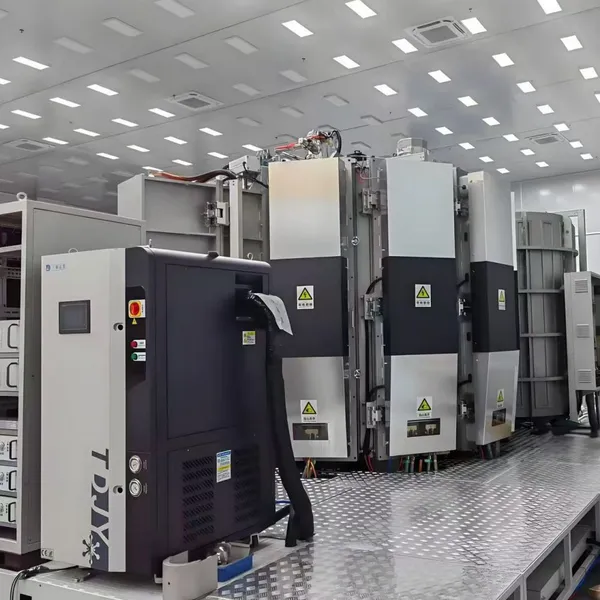 Read More
 -
Flexible Perovskite Solar Cells: Powering the Next-Generation Orbital Energy Systems
April 1, 2026As commercial space enters the era of mega-constellations and orbital infrastructure, energy systems are no longer just auxiliary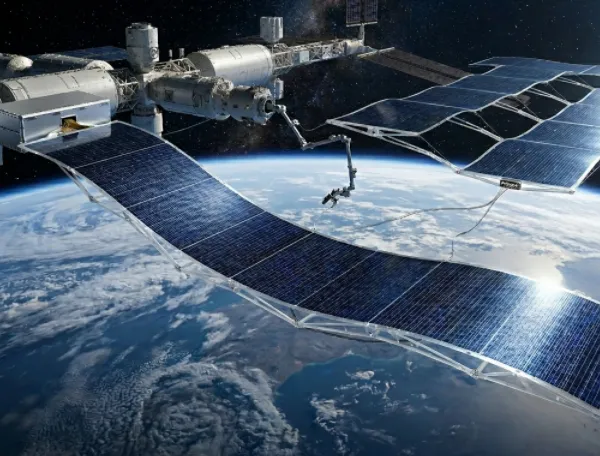 Read More
 -
What is a Vacuum Coating Machine?
March 31, 2026In modern high-end manufacturing, vacuum coating has become an essential technology across a wide range of industries—from smartph Read More
 -
Vacuum Coating Machine Price Guide: Choose the Right Equipment
March 17, 2026With the continuous upgrading of industries such as automotive electronics, consumer electronics, optical displays, new energy, an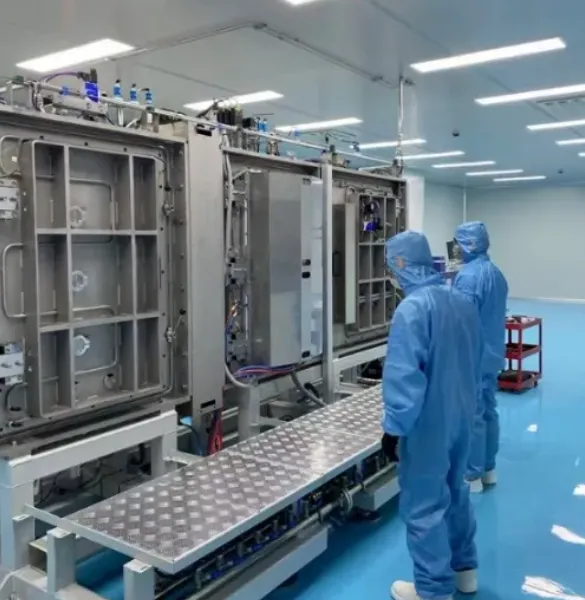 Read More

Contact Us
Recommended Products
-
 High-Performance Vacuum Coating Machine for Mirror Manufacturing SIMVACOUS$ 500000MOQ: 1 Unit
 -
SIMVACO Perovskite Solar Cell PVD Magnetron Sputtering Machine Thin Film Deposition SystemUS$ 650000 - 800000MOQ: 1 Set
-
SIMVACO Perovskite Solar Cell PVD Coating Machine Thermal Evaporation Vacuum CoatingUS$ 200000 - 400000MOQ: 1 Set
-
SIMVACO High-Performance Metal Ceramic PVD Coating Machine Hard Vacuum CoatingUS$ 350000 - 500000MOQ: 1 Set
-
SIMVACO Advanced Vacuum Evaporation Coating Equipment for Automotive LightingUS$ 70000 - 1000000MOQ: 1 Set
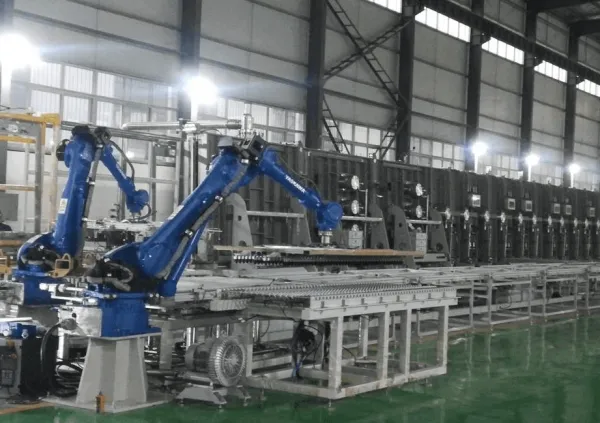
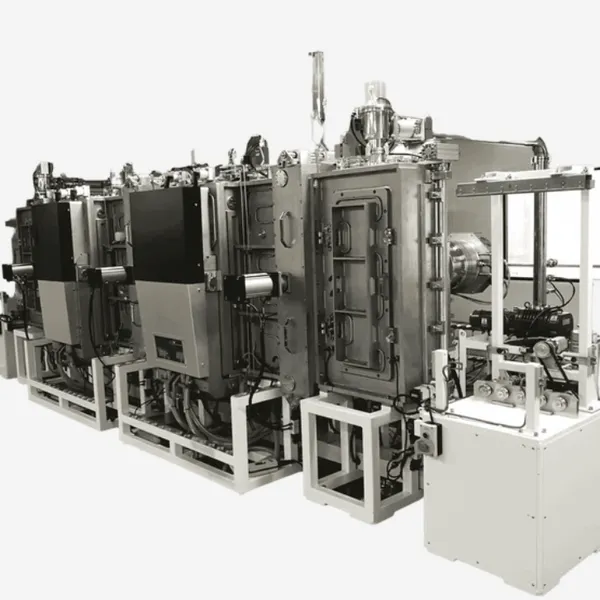
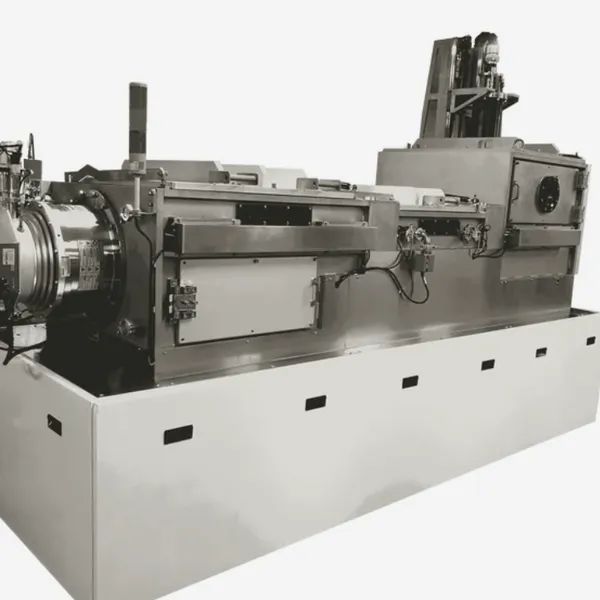
-
SIMVACO Eco-Friendly Vacuum Evaporation Coating Machine for Plastic Christmas ProductsUS$ 50000 - 60000MOQ: 1 Set
-
SIMVACO Large Glass Anti-Reflection Sputter Deposition Production Line PVD Coating MachineUS$ 1000000 - 1100000MOQ: 1 Set
-
SIMVACO Tool Superhard Coating Ion Plating Machine Enhanced Hard Film Deposition HardwareUS$ 50000 - 110000MOQ: 1 Set
-
SIMVACO Large-Area Multi-Arc Ion Decorative Coating Machine for Metal SurfacesUS$ 1000000 - 1100000MOQ: 1 Set
-
SIMVACO Horizontal PVD Coating Continuous Production Line Metal & Glass Substrate Magnetron SputteringNegotiableMOQ: 1 Set