 Business License

Vacuum Coating Machine Price Guide: Choose the Right Equipment
With the continuous upgrading of industries such as automotive electronics, consumer electronics, optical displays, new energy, and advanced manufacturing, vacuum coating technology is evolving from a “surface treatment process” into a core manufacturing capability.
Whether it is enhancing product appearance (decorative coatings), improving durability (hard coatings for tools), or enabling functional thin films (optical, electrical, barrier coatings), vacuum coating is playing an increasingly critical role across the industrial value chain.
For most companies, however, the most practical question remains:
👉 How much does a vacuum coating machine cost?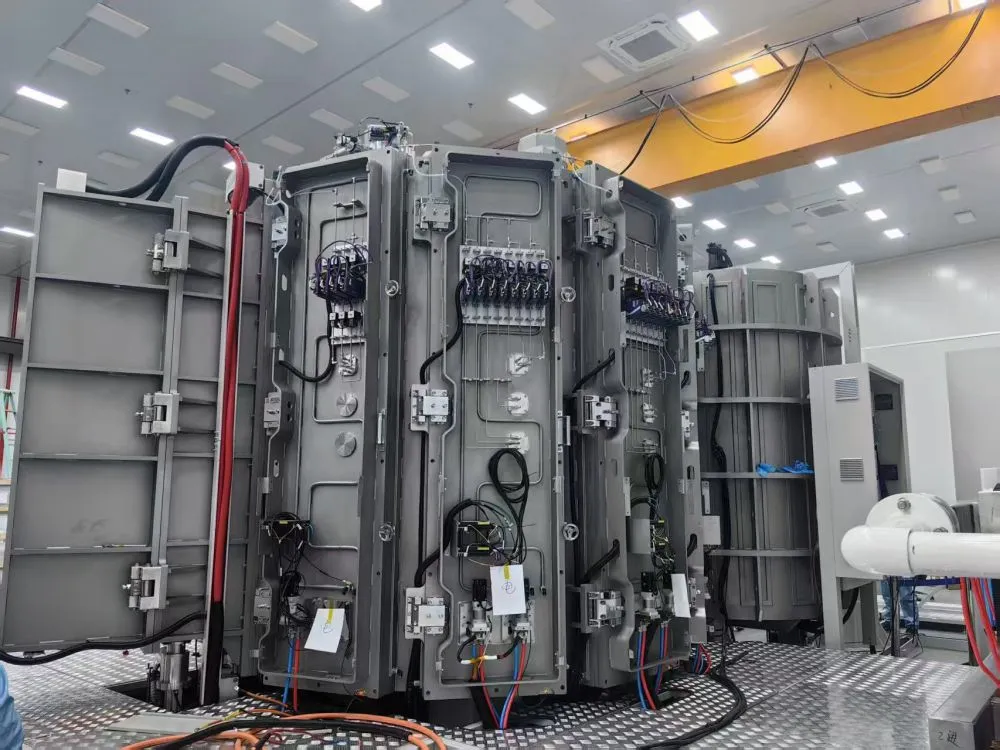
Short answer:
$10,000 – $10,000,000+
But in reality, the price is not determined by the machine itself. Instead, it depends on:
Process route + Application industry + Production capacity + Automation level + Process repeatability
This article provides a systematic breakdown of vacuum coating equipment pricing based on global industry data, engineering experience, and real market logic.
1. Why Do Vacuum Coating Machine Prices Vary So Much?
Many buyers encounter this situation during initial inquiries:
👉 The price difference for a “PVD coating machine” can vary by several times—or even an entire order of magnitude.
The core reason can be summarized as:
👉 Vacuum coating equipment is a process-driven system, not a standardized product.
1.1 Multi-System Integration and Process Consistency
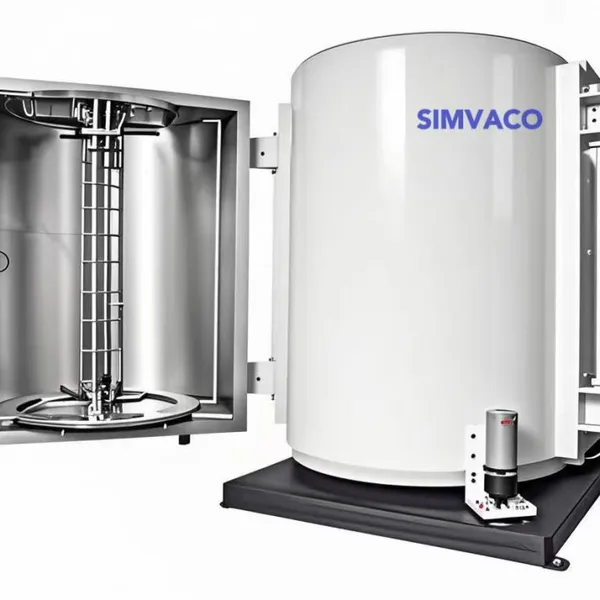
A complete vacuum coating system typically includes:
Vacuum system
Coating source system (targets / arc sources)
Power supply system
Control system (PLC / automation)
Process integration system
👉 Each subsystem configuration directly impacts the total cost.
Importantly, the price difference is not only in the hardware but also in the repeatability and consistency of the process.
High-quality equipment ensures that the product from the 1st batch and the 1000th batch has no color deviation or performance degradation. This is where mature suppliers like SIMVACO add value through advanced algorithms and control systems.
1.2 Application-Driven Complexity
Two examples:
| Application | Core Requirement | Complexity |
|---|---|---|
| Stainless steel decorative coating | Color uniformity | Medium |
| Optical AR coating | Nanometer-level thickness control | Extremely high |
👉 Price differences fundamentally come from technical requirements.
Visual suggestion: Include a diagram showing system integration and process repeatability—helps readers intuitively understand why “system engineering” matters.
2. Global Vacuum Coating Equipment Price Range (2026)
Based on data from China, Europe, Japan, and the U.S.:
| Equipment Type | Price (USD) | Application |
|---|---|---|
| Laboratory systems | $10K – $50K | R&D |
| Small sputtering systems | $30K – $120K | Testing |
| Small PVD machines | $80K – $300K | Entry-level production |
| Medium industrial systems | $300K – $1M | Mass production |
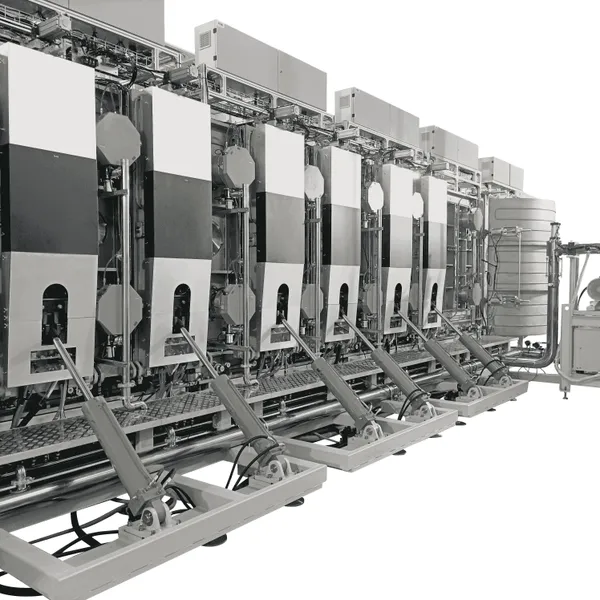
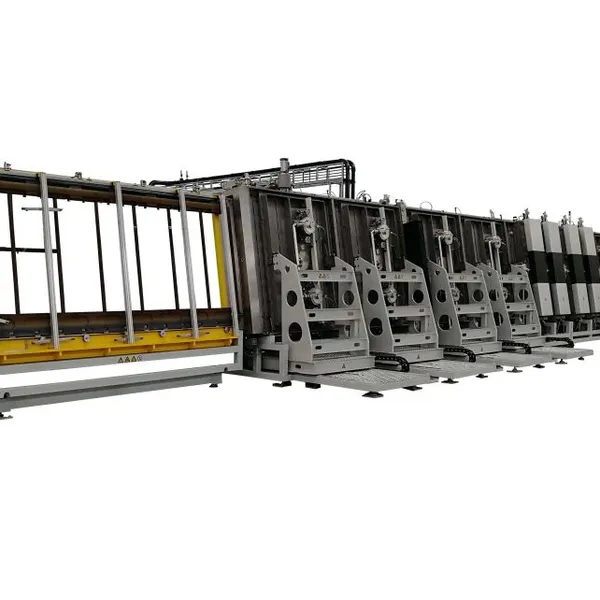
| Automated production lines | $1M – $5M | Industrial-scale |
| Roll-to-roll systems | $3M – $10M+ | Continuous production |
Market Trends
Chinese equipment: High cost-performance (30%–60% lower)
European/Japanese equipment: High stability + brand premium
High-end optics/semiconductors: Larger price gaps
👉 Trend:
“Chinese manufacturing + localized process capability” is becoming the dominant model.
3. Five Key Factors That Determine Price
3.1 Chamber Size — The Most Direct Cost Multiplier
Impacts:
Material cost (heavy steel structure)
Pump-down time
Vacuum system scale
👉 Rule of thumb:
Doubling chamber size → 2–3× cost increase
3.2 Vacuum System — The “Heart” of the Machine
Cost share: 20%–40%
| Application | Vacuum Level | Cost |
|---|---|---|
| Decorative coating | 10⁻² Pa | Low |
| Tool coating | 10⁻⁴ Pa | Medium |
| Optical coating | 10⁻⁶ Pa | High |
| Semiconductor | 10⁻⁷ Pa | Extremely high |
👉 Higher vacuum = exponential cost increase
3.3 Process Type — Defines Equipment Level
| Process | Feature | Cost Level |
|---|---|---|
| Arc PVD | High efficiency | Medium |
| Magnetron sputtering | High uniformity | High |
| HiPIMS | High density films | High |
| PECVD | Functional coatings | High |
3.4 Automation Level
| Level | Cost Impact |
|---|---|
| Manual | Base |
| Semi-automatic | +30% |
| Fully automatic | +100%–300% |
👉 In European and U.S. markets, automation is almost mandatory.
3.5 Production Capacity
| Equipment Type | Daily Output |
|---|---|
| Small systems | 200–500 pcs |
| Medium systems | 1,000–5,000 pcs |
| Automated lines | 10,000+ pcs |
4. Investment Models by Application
4.1 Decorative PVD (Mature Market)
Investment: $150K – $500K
Payback: 1–2 years
Industries: hardware, furniture
4.2 Plastic Vacuum Metallizing Lines
Investment: $300K – $2M
Key factors: adhesion + yield rate
4.3 Optical Coating (High-End)
Investment: $3M – $15M
Features: high barrier to entry, high margins
4.4 Roll-to-Roll Coating (Fastest Growing)
Investment: $1M – $10M+
Applications: lithium batteries, flexible electronics
5. Hidden Costs That Define Real ROI
5.1 Facility & Utilities
Water, electricity, gas, exhaust systems
👉 $50K – $500K
5.2 Process Development (Critical)
👉 Many projects fail because:
Equipment works, but process is unstable
👉 Cost: $20K – $200K+
5.3 Operational Costs
Targets
Process gases
Maintenance
6. Why Customization Is Essential
Every project differs in:
Product size
Material
Coating structure
Production capacity
👉 Example:
3-meter stainless steel tubes vs cosmetic bottles
➡ Require completely different equipment solutions
7. Key Recommendations for Buyers
You must clearly define:
Product
Substrate material (important!)
Size
Coating requirements
Capacity
Automation level
👉 Otherwise:
Any quotation is meaningless
Recommended RFQ Template:
Product:
Substrate Material:
Size:
Coating:
Capacity:
Automation:
8. Industry Trends (2026–2030)
Large-size equipment (automotive displays)
Automation + AI control
Advanced materials (DLC, SiC)
Environmental substitution: PVD replacing traditional electroplating
In 2026, with global environmental regulations tightening (e.g., PFAS restrictions, carbon tariffs), PVD has become the only mature industrial solution to replace high-pollution electroplating.
9. Final Conclusion
👉 The true price of a vacuum coating machine is not the equipment itself—
👉 It is the price of manufacturing capability.
10. About SIMVACO (Professional Vacuum Coating Equipment Manufacturer)
In the global vacuum coating industry, choosing the right equipment supplier not only affects procurement cost but also directly determines project success and long-term stability.
SIMVACO is a specialized manufacturer of vacuum coating equipment, serving industries including:
Automotive electronics
Optical displays
Decorative hardware
Plastic coating
New energy and functional films
SIMVACO provides not just equipment, but complete solutions, including:
Customized equipment design (PVD / PECVD / magnetron sputtering)
Automated production line integration
Process support and commissioning
Overseas delivery experience
Under current industry trends, more customers are choosing suppliers with:
👉 Engineering capability + delivery capability + cost advantage
SIMVACO continues to invest in this direction, delivering stable, scalable, and high-performance vacuum coating solutions to global clients.
Recently Posted
-
What is a Vacuum Metal Deposition?
April 17, 20261. Introduction to Vacuum Metal DepositionVacuum Metal Deposition (VMD), also known as vacuum metallization, is a high-precision t Read More
 -
Flexible Perovskite Solar Cells: Powering the Next-Generation Orbital Energy Systems
April 1, 2026As commercial space enters the era of mega-constellations and orbital infrastructure, energy systems are no longer just auxiliary Read More
 -
What is a Vacuum Coating Machine?
March 31, 2026In modern high-end manufacturing, vacuum coating has become an essential technology across a wide range of industries—from smartph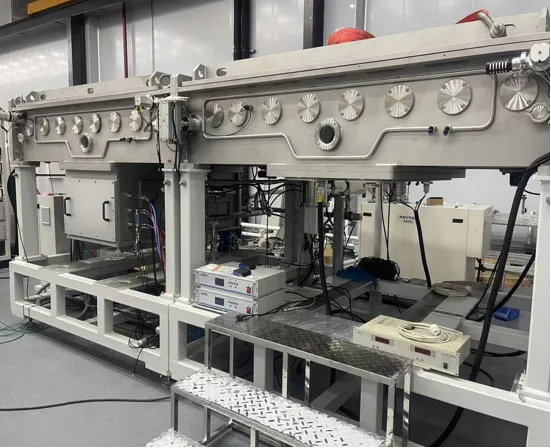 Read More
 -
From Orbit to Grid: Vacuum Coating Technologies Enabling Space-Based Solar Power
March 27, 2026Introduction: From Concept to Engineering RealitySpace-Based Solar Power (SBSP) is not a new concept. However, around 2026, the in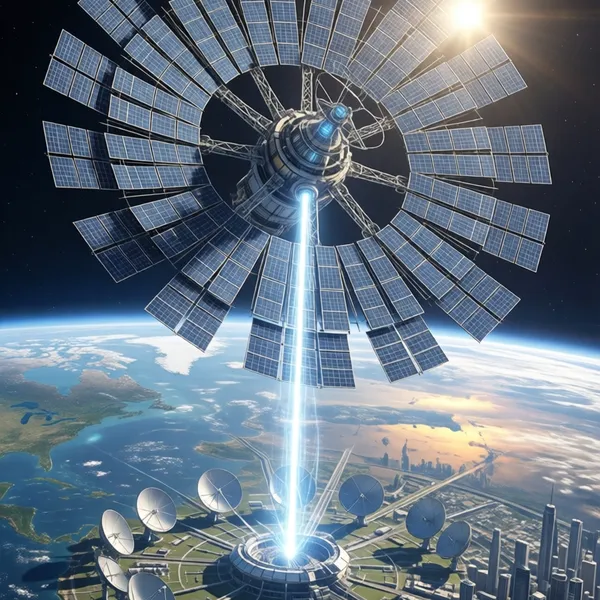 Read More

Contact Us
Recommended Products
-
 High-Performance Vacuum Coating Machine for Mirror Manufacturing SIMVACOUS$ 500000MOQ: 1 Unit
 -
SIMVACO Perovskite Solar Cell PVD Magnetron Sputtering Machine Thin Film Deposition SystemUS$ 650000 - 800000MOQ: 1 Set
-
SIMVACO Perovskite Solar Cell PVD Coating Machine Thermal Evaporation Vacuum CoatingUS$ 200000 - 400000MOQ: 1 Set
-
SIMVACO High-Performance Metal Ceramic PVD Coating Machine Hard Vacuum CoatingUS$ 350000 - 500000MOQ: 1 Set
-
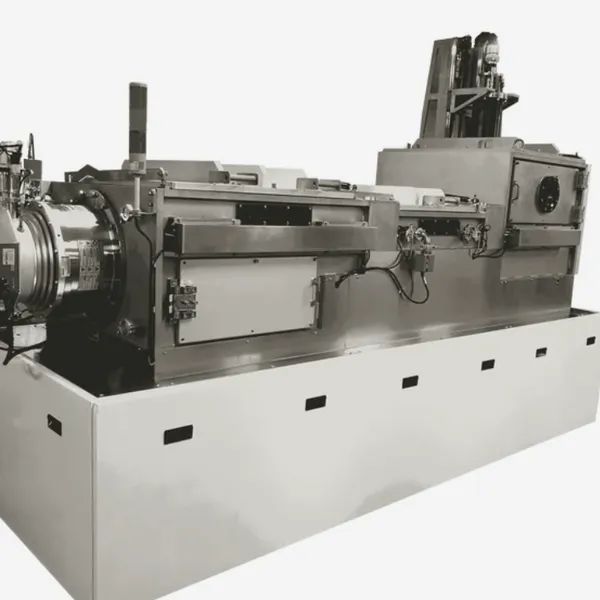
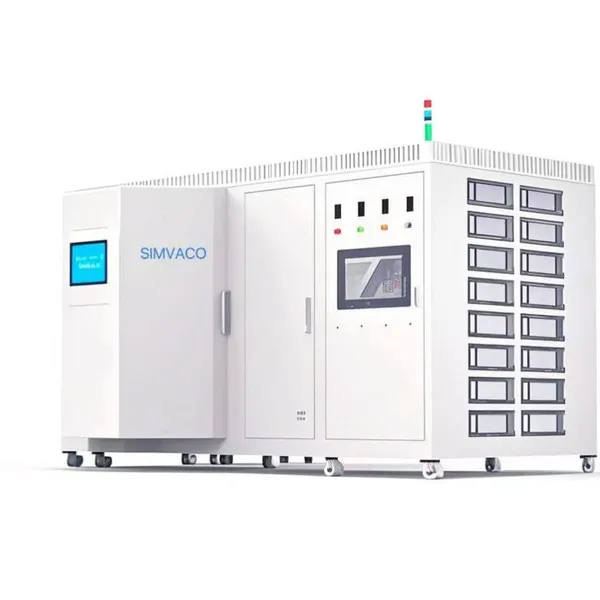
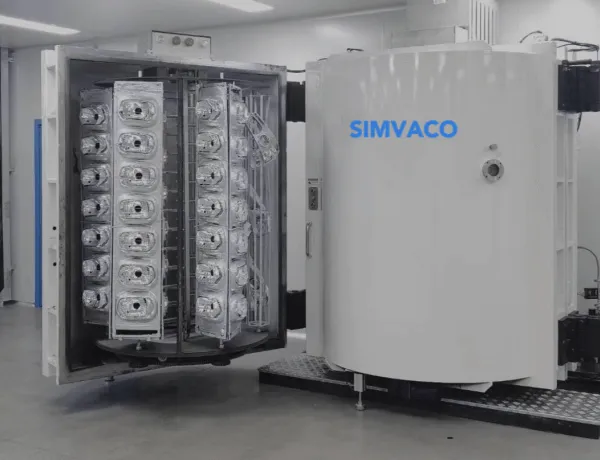
SIMVACO Advanced Vacuum Evaporation Coating Equipment for Automotive LightingUS$ 70000 - 1000000MOQ: 1 Set
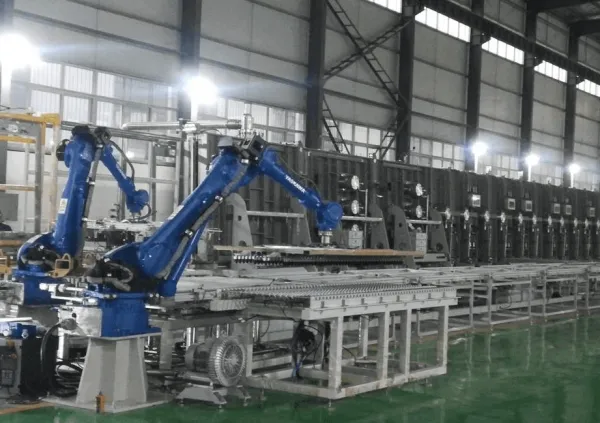
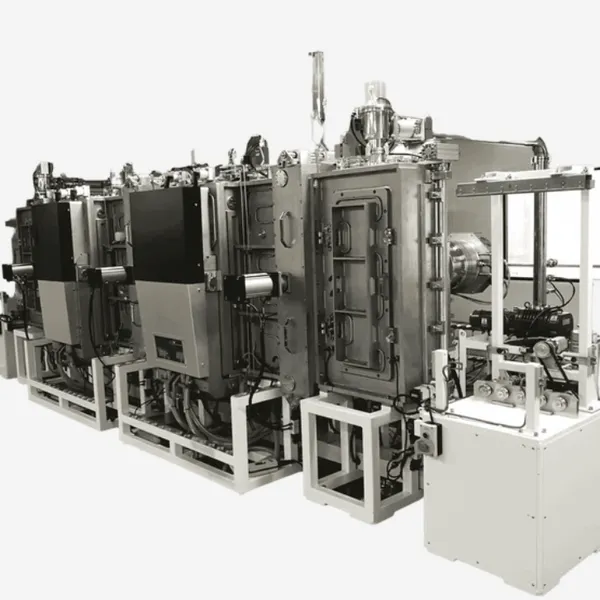
-
SIMVACO Eco-Friendly Vacuum Evaporation Coating Machine for Plastic Christmas ProductsUS$ 50000 - 60000MOQ: 1 Set
-
SIMVACO Large Glass Anti-Reflection Sputter Deposition Production Line PVD Coating MachineUS$ 1000000 - 1100000MOQ: 1 Set
-
SIMVACO Tool Superhard Coating Ion Plating Machine Enhanced Hard Film Deposition HardwareUS$ 50000 - 110000MOQ: 1 Set
-
SIMVACO Large-Area Multi-Arc Ion Decorative Coating Machine for Metal SurfacesUS$ 1000000 - 1100000MOQ: 1 Set
-
SIMVACO Horizontal PVD Coating Continuous Production Line Metal & Glass Substrate Magnetron SputteringNegotiableMOQ: 1 Set