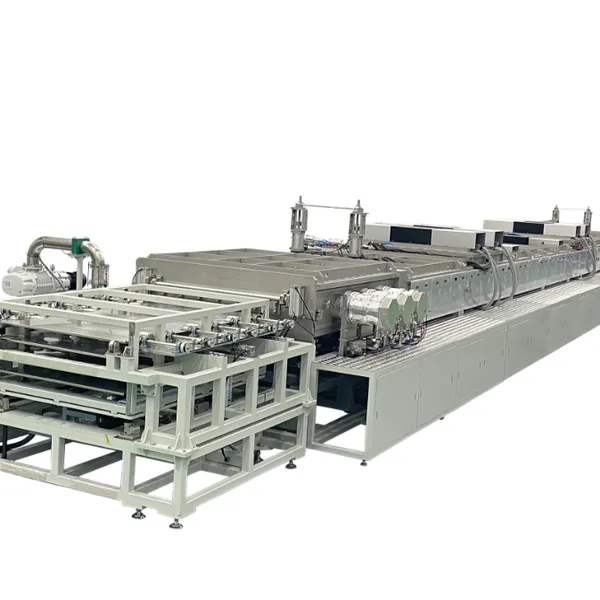
 Business License

What is a Vacuum Metal Deposition?
1. Introduction to Vacuum Metal Deposition
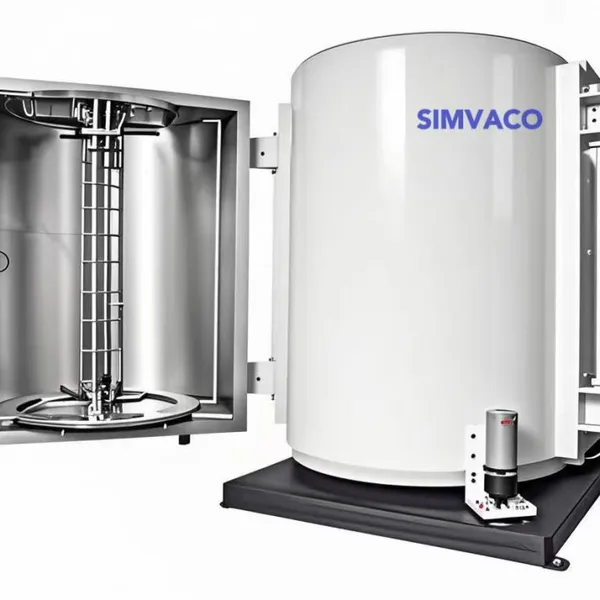
Vacuum Metal Deposition (VMD), also known as vacuum metallization, is a high-precision thin-film coating technology widely adopted in modern manufacturing. This process enables the deposition of metals such as aluminum, chromium, titanium, and stainless steel onto a variety of substrates—including plastics, glass, ceramics, and metals—under high-vacuum conditions.
Widely adopted in industries such as automotive, electronics, home appliances, cosmetics, and architectural finishes, VMD enhances surface aesthetics while imparting functional properties like wear resistance, corrosion protection, and electrical conductivity.
As a specialized subset of vacuum deposition technologies, VMD focuses on metallic coatings for industrial, decorative, and functional applications, making it indispensable in high-tech and consumer-facing products.
2. Principles of Vacuum Metal Deposition
The strength of VMD lies in atomic-level control over film formation, ensuring consistent, high-quality results across large-scale production.
Step 1: Establishing a High-Vacuum Environment for Precise Metal Deposition
Industrial VMD systems combine mechanical pumps with high-vacuum pumps (e.g., turbo or diffusion pumps) to reach pressures as low as 10⁻³–10⁻⁶ Pa. Maintaining this vacuum:
Extends the mean free path of metal atoms for direct transport to substrates
Minimizes contamination and oxidation, preserving film purity and color fidelity
Allows precise deposition of nanometer-scale layers
Step 2: Advanced Metal Vaporization Techniques for High-Quality Coatings
Different metals and desired properties require different vaporization methods:
Thermal or Electron Beam Evaporation: Ideal for reflective aluminum layers on plastics, creating mirror-like, smooth surfaces.
Magnetron Sputtering: Uses plasma to eject atoms from a solid target, perfect for chromium, titanium, and other decorative or functional coatings with high adhesion and density.
Arc Evaporation / Multi-Arc Ion Plating: Produces hard, wear-resistant coatings suitable for industrial tools and mechanical components.
Step 3: Particle Transport in Vacuum
Metal atoms travel along near-linear paths in high vacuum, ensuring:
Uniform coverage on complex or large substrates
High deposition efficiency with minimal defects
Stable, repeatable film thickness and density
Step 4: Film Formation
Coating formation occurs in stages:
Adsorption: Atoms attach to the substrate surface
Surface Diffusion: Atoms move to energetically favorable sites
Nucleation: Small clusters form
Growth: Clusters merge into a smooth, continuous film
Films can range from a few nanometers to several microns, providing precision-tuned optical, mechanical, and electrical properties.
Step 5: Process Control and Optimization
Critical parameters like deposition rate, substrate temperature, plasma energy, and substrate motion are continuously monitored. This allows manufacturers to:
Achieve target optical effects, including reflectivity, color, and transparency
Ensure mechanical performance such as adhesion, hardness, and corrosion resistance
Maintain consistency across multiple batches, crucial for industrial-scale production
3. Key Technology Categories
Physical Vapor Deposition (PVD):
Converts solid metals into vapor for deposition
Widely used for plastic metallization, decorative stainless steel coatings, and hard industrial coatings
Chemical Vapor Deposition (CVD / PECVD):
Involves chemical reactions of volatile precursors on substrates
PECVD allows low-temperature deposition, suitable for plastics and optical films
While CVD is popular in semiconductors and optics, metallic decorative coatings are predominantly PVD-based
4. Industrial Applications
Plastic Metallization:
Vacuum metal deposition (VMD) is widely used for plastic metallization in industries such as cosmetic packaging, automotive trims, and household appliance panels. Typical process: UV primer → VMD → protective topcoat.
Benefits: lightweight, mirror-like surfaces, consistent color, and long-term durability
Decorative Stainless Steel Coatings:
Achieve gold, black, rose-gold, and other finishes without traditional electroplating. Applications include elevators, kitchenware, furniture, and architectural panels. Environmentally friendly and highly reproducible.
Optical Reflective Films:
Used in automotive headlights, LED reflectors, and display mirrors. Offers high reflectivity, scratch resistance, and long-term stability.
Functional Metal Films:
Electronics: sensors, connectors, and circuit components
Automotive AR/HUD displays and transparent conductive layers
Solar panels and thin-film batteries
Provide precise optical, electrical, and mechanical properties critical for high-tech industries
5. Engineering Challenges and SIMVACO Solutions
| Challenge | SIMVACO Solution |
|---|---|
| Large-area uniformity | Optimized target placement, substrate rotation, and tilt mechanisms for consistent coverage |
| Film adhesion | Multi-layer design, precise temperature control, and surface pretreatment to ensure strong bonding |
| Color consistency | Real-time monitoring and automated deposition control for repeatable aesthetics |
| Repeatability | Optimized process windows and batch verification for industrial-scale reliability |
SIMVACO ensures repeatable, scalable, and industrial-ready production results.
6. Advantages of Vacuum Metal Deposition
High-purity, defect-free films
Precision-controlled nanoscale thickness
Tunable optical, electrical, and mechanical properties
Environmentally friendly compared to electroplating
Suitable for complex geometries and large surfaces
Fully scalable for industrial production
7. Industry Trends and Developments
Rising demand in automotive displays, AR optics, and high-end decorative surfaces
Growth of multi-layer and multi-metal coatings for combined functional and aesthetic effects
Scaling to larger substrates while maintaining uniformity
Integration of automation, real-time monitoring, and AI-assisted control for industrial-scale consistency
8. Why Choose SIMVACO for Turnkey Vacuum Metal Deposition?
SIMVACO provides complete industrial solutions:
Plastic vacuum metallization
Decorative stainless steel PVD coatings
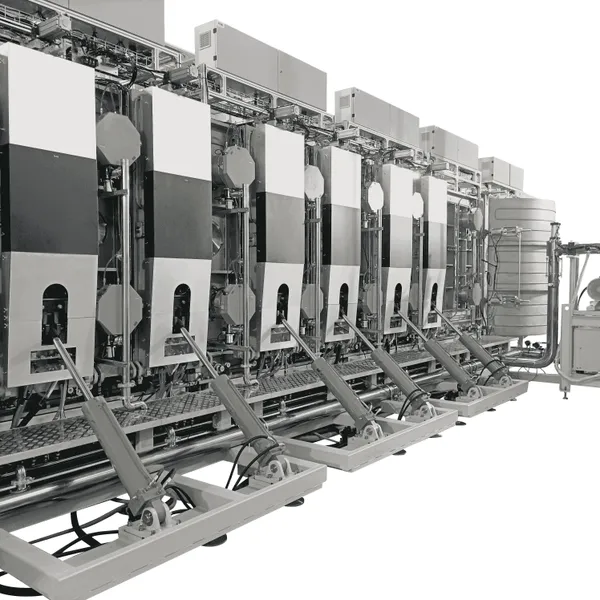
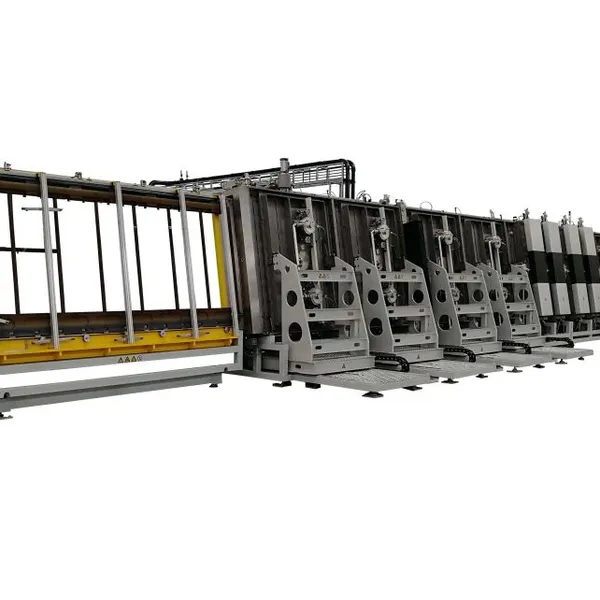
Large-scale metal thin-film deposition lines
From sample verification to full production line deployment, SIMVACO ensures reliable, repeatable, and scalable results tailored for industrial and decorative applications.
Contact SIMVACO today for turnkey vacuum metal deposition solutions and bring high-quality, decorative, and functional coatings to your production line.
Recently Posted
-
Flexible Perovskite Solar Cells: Powering the Next-Generation Orbital Energy Systems
April 1, 2026As commercial space enters the era of mega-constellations and orbital infrastructure, energy systems are no longer just auxiliary Read More
 -
What is a Vacuum Coating Machine?
March 31, 2026In modern high-end manufacturing, vacuum coating has become an essential technology across a wide range of industries—from smartph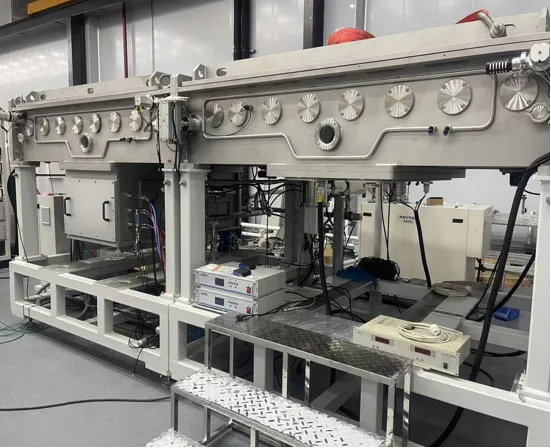 Read More
 -
From Orbit to Grid: Vacuum Coating Technologies Enabling Space-Based Solar Power
March 27, 2026Introduction: From Concept to Engineering RealitySpace-Based Solar Power (SBSP) is not a new concept. However, around 2026, the in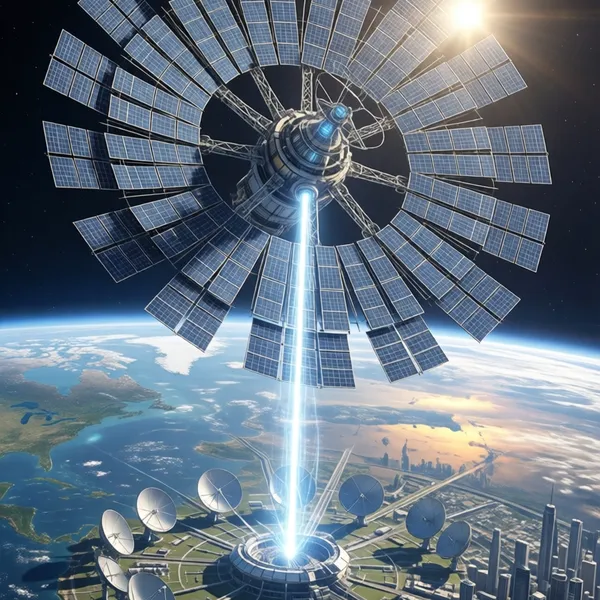 Read More
 -
Vacuum Coating Machine Price Guide: Choose the Right Equipment
March 17, 2026With the continuous upgrading of industries such as automotive electronics, consumer electronics, optical displays, new energy, an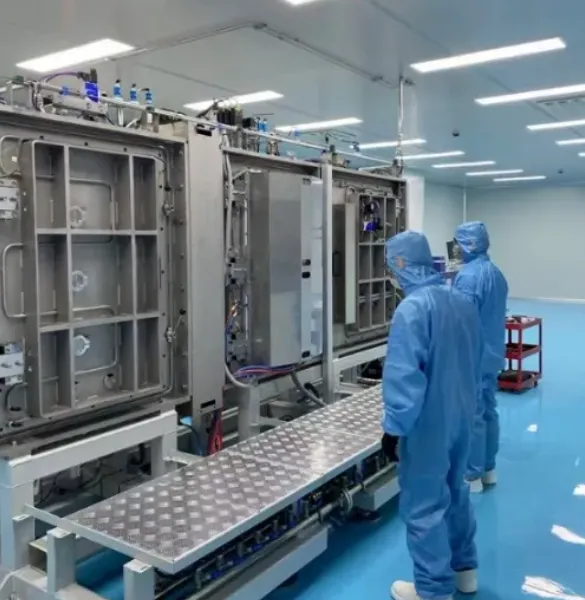 Read More

Contact Us
Recommended Products
-
 High-Performance Vacuum Coating Machine for Mirror Manufacturing SIMVACOUS$ 500000MOQ: 1 Unit
 -
SIMVACO Perovskite Solar Cell PVD Magnetron Sputtering Machine Thin Film Deposition SystemUS$ 650000 - 800000MOQ: 1 Set
-
SIMVACO Perovskite Solar Cell PVD Coating Machine Thermal Evaporation Vacuum CoatingUS$ 200000 - 400000MOQ: 1 Set
-
SIMVACO High-Performance Metal Ceramic PVD Coating Machine Hard Vacuum CoatingUS$ 350000 - 500000MOQ: 1 Set
-
SIMVACO Advanced Vacuum Evaporation Coating Equipment for Automotive LightingUS$ 70000 - 1000000MOQ: 1 Set
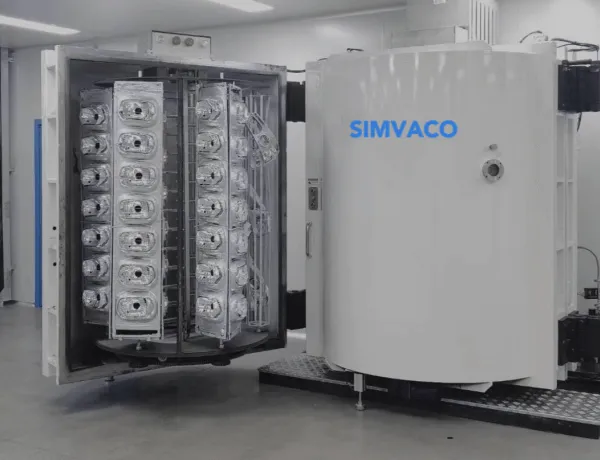
-
SIMVACO Eco-Friendly Vacuum Evaporation Coating Machine for Plastic Christmas ProductsUS$ 50000 - 60000MOQ: 1 Set
-
SIMVACO Large Glass Anti-Reflection Sputter Deposition Production Line PVD Coating MachineUS$ 1000000 - 1100000MOQ: 1 Set
-
SIMVACO Tool Superhard Coating Ion Plating Machine Enhanced Hard Film Deposition HardwareUS$ 50000 - 110000MOQ: 1 Set
-
SIMVACO Large-Area Multi-Arc Ion Decorative Coating Machine for Metal SurfacesUS$ 1000000 - 1100000MOQ: 1 Set
-
SIMVACO Horizontal PVD Coating Continuous Production Line Metal & Glass Substrate Magnetron SputteringNegotiableMOQ: 1 Set